Ballylongford, located on the northern edge of the Shannon Estuary in North Kerry, is a quietly significant birdwatching landscape shaped by tidal rhythms, wetland habitats, and seasonal migration. Mudflats, saltmarsh, river channels, and coastal grasslands combine to create an ecosystem that supports both resident and visiting bird species throughout the year.

Set within the Shannon Estuary system, Ballylongford forms part of Ireland’s wider network of wetlands that support migratory birds travelling along the East Atlantic Flyway — a global migration route connecting Arctic breeding grounds with wintering sites in Western Europe and Africa.

A Valuable Wetland Habitat on the Shannon Estuary

Back to Top of List

Ballylongford sits within the Shannon Estuary Special Area of Conservation, one of Ireland’s most ecologically important coastal systems. Its interlinked habitats include:

  • Intertidal mudflats
  • Saltmarsh ecosystems
  • Coastal wetlands
  • River channels and estuarine waters
  • Hedgerows and farmland edges

These environments provide feeding, roosting, and nesting grounds for large numbers of waterbirds and waders, particularly during autumn and winter migration periods.

As part of the East Atlantic Flyway, the area acts as a critical stopover for migratory species travelling between Arctic breeding grounds and wintering sites in Africa.
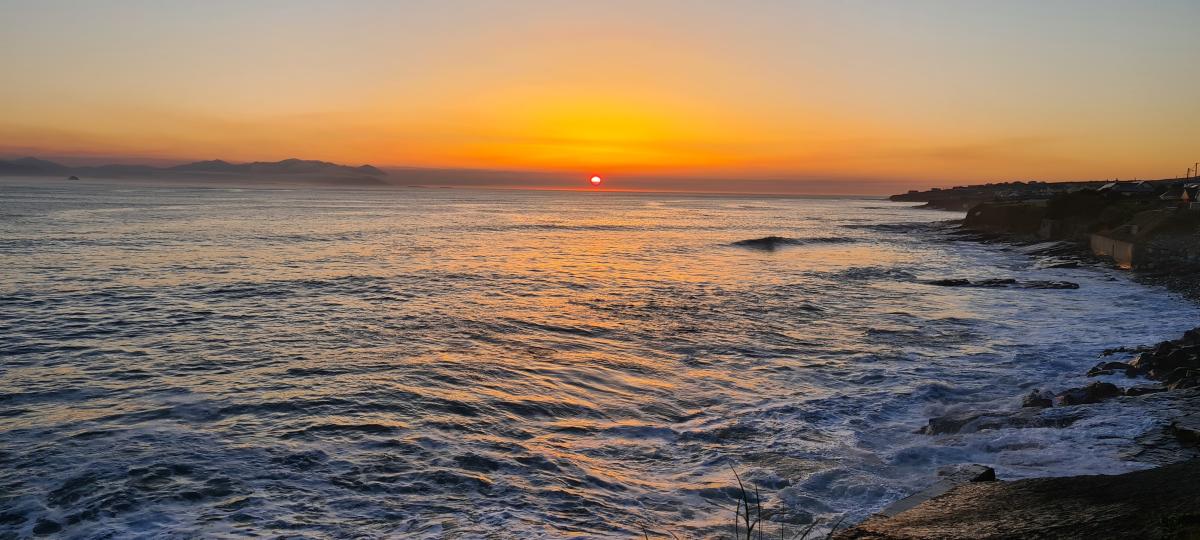


VISIT_NORTH_KERRY_WILD_ATLANTIC_WAY_HELEN_LANE_BALLYLONGFORD_SNAPS_ORIGINAL_20210228_181100

Video & Photo Credit: Helen Lane

Bird Species Commonly Seen in Ballylongford

Back to Top of List

Wintering and resident species

The estuary supports consistent populations of waterbirds throughout the year, with peak diversity in winter.

  • Redshank
  • Curlew
  • Lapwing
  • Golden Plover
  • Dunlin
  • Shelduck
  • Wigeon
  • Teal
  • Mallard
  • Bar-tailed Godwit
  • Black-tailed Godwit
  • Great Crested Grebe
  • Little Grebe
  • Great Northern Diver
  • Ringed Plover
  • Grey Heron
  • Little Egret

Seasonal migrants (spring and autumn)

  • Whimbrel
  • Sandwich Tern

These seasonal fluctuations make Ballylongford a dynamic birdwatching site where no two visits are the same.

Rare Bird Sightings in Ballylongford

Occasionally, Ballylongford attracts rare and unusual species, drawing attention from birdwatchers across Ireland.

Notable records include:

  • Double-crested Cormorant (2021) – only the second recorded sighting in Ireland
  • Avocet (2022)
  • Cattle Egret (2025)
  • Greater Scaup (2024)

These occurrences highlight the estuary’s importance as a monitoring site for vagrant and migratory birds within Ireland’s national recording systems.

Top Birdwatching Locations

Back to Top of List
Saleen Pier

Saleen Pier provides panoramic views across Ballylongford Bay and its mudflats. At high tide, diving birds such as great northern diver and grebes are frequently visible close to shore. Sunrise and sunset are particularly productive times for observation due to light conditions and bird movement.

Carrigafoyle Castle and Carrig Island

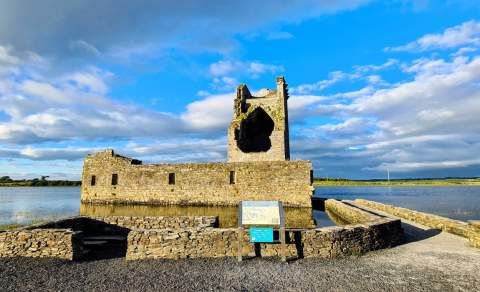
This historic site combines cultural heritage with ecological value. Surrounding saltmarshes and tidal channels attract waders and waterbirds, while nearby Carrig Island offers elevated walking routes with views across multiple habitats, including grassland, hedgerows, and coastal flats.

Carrigafoyle Castle, Ballylongford, Co Kerry is situated at the mouth of the River Shannon, and was referred to as the ‘Guardian of the Shannon. The castle was built in the 1490s by Conor Liath O’Connor. The castle has 104 internal steps and its inner and outer curtain walls and bastions…
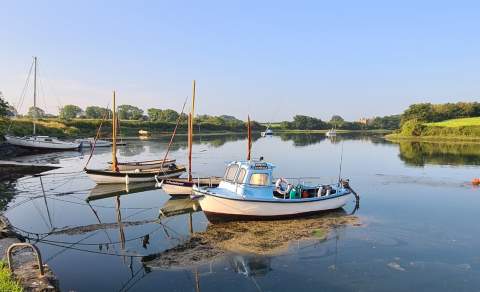
Saleen Pier was built in 1843/44.  In the 19th century the harbour was a hub of activity and a major trading point between Kerry, Clare and Limerick. Grain was landed and shipped up the river to the local mill in Ballylongford, indicating the once mighty trade in grain in North Kerry. Today the…
Local Conservation and Wildlife Awareness

Back to Top of List

Birdwatching in Ballylongford is strongly supported by local community engagement and citizen science initiatives.

Key activities include:

  • Participation in the Irish Wetland Bird Survey (I-WeBS) coordinated by BirdWatch Ireland
  • Recording biodiversity data for the National Biodiversity Data Centre
  • Environmental awareness initiatives led by Ballylongford Tidy Towns
  • Local biodiversity surveys and ecological studies
  • Community-led litter removal and habitat protection efforts
  • Educational talks and school engagement programmes

This ongoing monitoring contributes to national conservation data while strengthening local awareness of wetland ecosystems.

As visitor numbers increase, protecting sensitive habitats becomes increasingly important.

Ground-nesting species such as the ringed plover are particularly vulnerable to disturbance from dogs, foot traffic, and recreational activity along coastal areas. Awareness of nesting zones and seasonal sensitivity is essential to maintaining ecological balance.

Responsible birdwatching ensures that Ballylongford remains a sustainable habitat for wildlife while remaining accessible to visitors.

Best Time to Visit Ballylongford for Birdwatching

Back to Top of List
  • Autumn (September–November): Peak migration activity begins
  • Winter (December–February): Highest concentrations of waterbirds
  • Spring (March–May): Migratory return and breeding behaviour
  • Summer (June–August): Resident species and quieter observation periods

Tide conditions also strongly influence bird visibility, particularly across mudflat feeding areas.

Tips for Birdwatching

Back to Top of List
  • Binoculars improve visibility but are not essential
  • Early morning and late evening offer optimal lighting and activity
  • Mobile apps such as Merlin Bird ID or BirdNET assist identification
  • Field guides remain useful for distinguishing seasonal plumage variations
  • Stillness and patience increase wildlife encounters significantly
  • Recording sightings contributes to national biodiversity monitoring

A Slow Tourism Nature Experience

Back to Top of List

Ballylongford offers more than birdwatching. It is a landscape shaped by quiet movement, seasonal change, and ecological continuity.

Visitors are encouraged to experience the area at a slower pace — walking estuary paths, observing tidal shifts, and engaging with the natural environment in a way that allows wildlife to remain undisturbed.

Here, wildlife observation becomes part of a wider slow tourism experience, rooted in place, time, and awareness.

As one of North Kerry’s most important yet understated birdwatching landscapes, Ballylongford combines estuarine habitats, migratory significance, and active community conservation. Together, these elements make it a meaningful destination for nature-based tourism in Ireland.

For visitors seeking authentic wildlife experiences away from more crowded locations, Ballylongford offers a place where nature, heritage, and community meet along the Shannon Estuary.