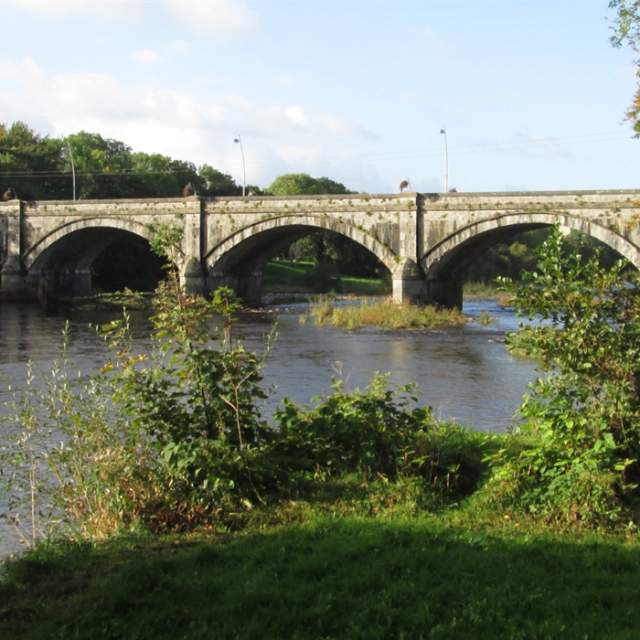
Tucked along the banks of the River Feale in North Kerry, Listowel has long held a special place in Ireland’s storytelling tradition. Often referred to as the “Literary Capital of Kerry,” the heritage town has produced generations of celebrated playwrights, poets and authors whose works continue to shape Irish literature today. At the heart of this literary identity is Listowel Writers' Week — one of Kerry's oldest literary and arts festival and one of Kerry’s most beloved cultural events.
Every year, writers, readers, poets and creatives from across Ireland and beyond travel to North Kerry to celebrate storytelling in all its forms. But Listowel’s literary roots stretch far beyond one festival weekend — they are woven into the streets, pubs, theatres and conversations of the town itself.
Why Is Listowel Known as Kerry’s Literary Capital?
Back to Top of ListListowel earned its literary reputation through generations of influential writers and playwrights who captured the spirit of rural Ireland through poetry, theatre and storytelling.
Some of Ireland’s best-known literary figures came from Listowel and the wider North Kerry region, including:
- John B. Keane — celebrated for works such as The Field and Big Maggie
- Bryan MacMahon — known for preserving Irish storytelling traditions
- Brendan Kennelly — one of Ireland’s most respected modern poets
- Maurice Walsh — author of the story that inspired The Quiet Man
- George Fitzmaurice — influential figure in Irish theatre
Their works helped establish Listowel as a cultural centre for literature, poetry and theatre in Ireland.
Today, visitors can still feel that literary atmosphere throughout the town — from independent bookshops and historic buildings to lively conversations in local cafés and traditional pubs.
The History of Listowel Writers’ Week
Back to Top of ListThe idea for Listowel Writers' Week began in 1970, when a group of local writers, artists and visionaries imagined transforming the small Kerry town into a centre for literary celebration. The first official festival took place in 1971 and quickly became something unique in Ireland’s cultural calendar.
Founded by literary figures including John B. Keane, Bryan MacMahon and Brendan Kennelly, the festival was created not only to honour established writers, but also to encourage emerging voices. One of its most innovative contributions was the introduction of creative writing workshops — the first of their kind in Ireland — pioneered by Bryan MacMahon.
Over five decades later, that mission remains central to the festival’s identity.
Listowel Writers' Week continues to take place annually in late May, transforming Listowel into one of Ireland’s most vibrant centres for storytelling, literature and cultural exchange.
In 2026, Listowel Writers’ Week will take place from 27th May to 31st May 2026, bringing five days of author readings, creative writing workshops, poetry, theatre, talks and cultural events across the town.
Full programme can be downloaded here.
How the Festival Has Evolved
Back to Top of ListWhat began as a small literary gathering has grown into an internationally recognised festival attracting acclaimed writers, journalists, poets, playwrights and readers from around the world. Yet despite its growth, Writers’ Week has retained the warmth and intimacy that makes it so special.
Today’s programme blends traditional literary events with modern conversations and creative experiences. Across the festival, visitors can enjoy:
- Author readings and interviews
- Creative writing workshops
- Poetry sessions
- Book launches
- Theatre performances
- Literary walking tours
- Panel discussions and debates
- Storytelling sessions
- Music and cultural events
The festival has also become known for supporting new talent through competitions, mentoring opportunities and accessible workshops for aspiring writers of all levels.
What Makes Writers’ Week Different?
Back to Top of ListMany visitors describe Writers’ Week as one of the most welcoming literary festivals in Ireland.
What makes the experience unique is the setting. Rather than large conference venues or city auditoriums, events take place throughout the town itself. Visitors often meet authors in cafés, pubs or walking through the streets of Listowel.
That connection between community and culture gives the festival a relaxed and authentic atmosphere that feels deeply connected to Irish storytelling traditions.
For visitors interested in Irish culture, literature, poetry or history, Writers’ Week offers a chance to experience all of these in one place while exploring the beauty of North Kerry.
Things to Explore in North Kerry
Back to Top of ListA visit to Listowel is also the perfect opportunity to discover the wider North Kerry region — an area filled with history, coastal scenery, traditional music and storytelling traditions that have inspired generations of writers and artists.
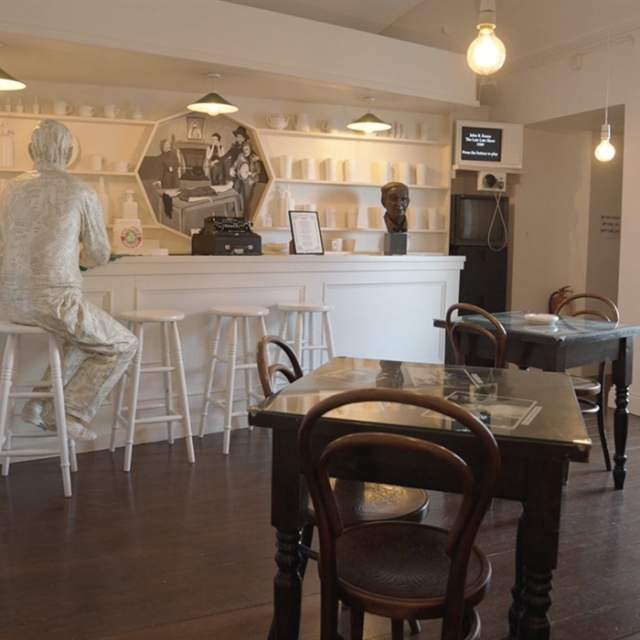
History lovers can visit Kerry Writers' Museum to explore the lives and works of Kerry’s famous literary figures, or discover Listowel Castle, one of the best-preserved Norman castles in Ireland.
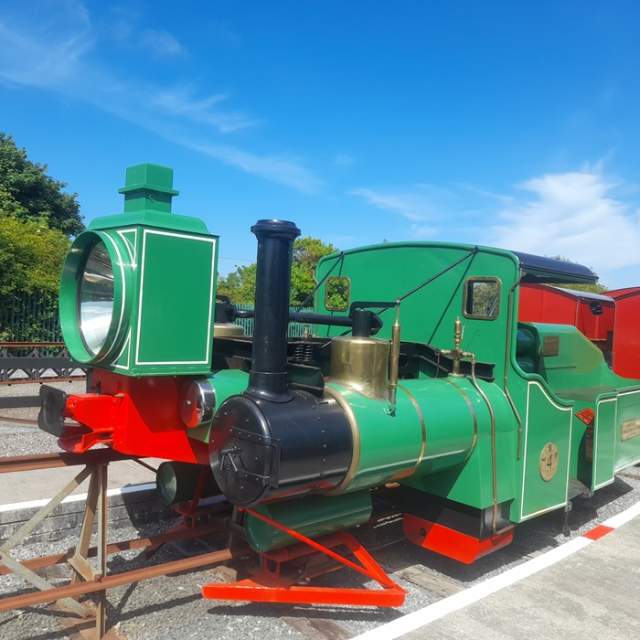
Visitors can also enjoy scenic walks through Childers Park & Woodlands, experience a unique piece of railway history at Lartigue Monorail and Museum or explore Tarbert Bridewell Courthouse & Jail Museum.
Beyond Listowel itself, North Kerry offers plenty more to explore. Visitors can discover the dramatic coastline and beaches of Ballybunion, enjoy heritage attractions connected to the Shannon Estuary near Tarbert or experience traditional Irish music sessions throughout villages and pubs across the region.
The River Feale, rolling countryside and Atlantic coastline have long inspired writers, poets and musicians, making North Kerry a destination where landscape, culture and storytelling naturally come together.
How to Explore Listowel and North Kerry Without a Car
Back to Top of ListOne of the best things about visiting North Kerry is that many areas can still be explored without driving, making it ideal for visitors looking for a more relaxed and sustainable way to travel through Kerry.
For visitors travelling by public transport, Tralee is the main transport hub for reaching Listowel and the wider North Kerry region.
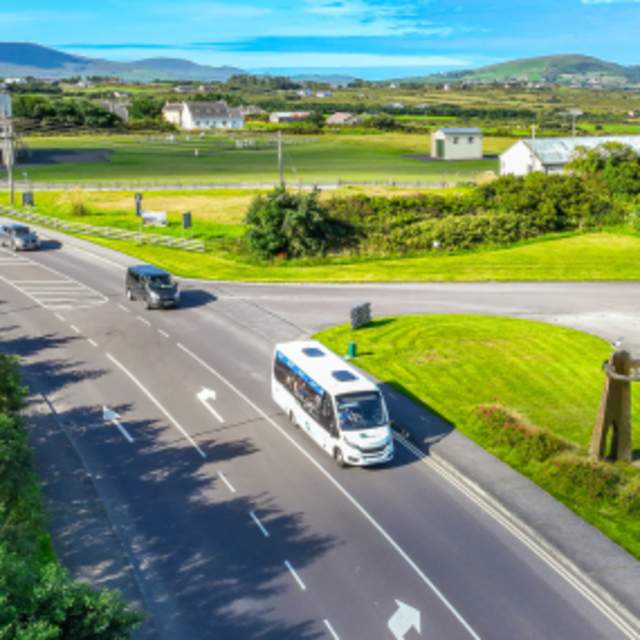
TFI Local Link Kerry (www.locallinkkerry.ie) has Route 274 that travels from Tralee along the Wild Atlantic Way up to Tarbert travelling through the beautiful villages of Arfert, Ballyheigue, Ballyduff, Causeway, Ballybunion, Asdee and Ballylongford.
Bus Éireann also operates Route 314 Limerick – Listowel – Ballybunion offering an additional transport option for visitors travelling to and from the area.
Visitors can also use TFI Local Link Kerry services to explore smaller towns and rural communities around Listowel. TFI Local Link routes serving the area include:
- Route R50: Moyvane – Tarbert – Ballylongford – Listowel – Tralee
- Route S239a: Listowel – Ballybunion – Listowel
- Route S239d: Lixnaw – Kilflynn – Listowel – Tarbert – Listowel
- Route S239e: Causeway – Ballyduff – Ballybunion – Listowel
This network of services makes it easier for visitors to access both Listowel and the surrounding North Kerry region, whether travelling between larger towns or exploring more rural locations.
For visitors arriving by train, the nearest railway station is in Tralee, with onward bus connections available to Listowel.
Cycling is also becoming an increasingly popular way to explore Listowel and the surrounding region, with quiet rural roads and scenic countryside routes making it ideal for slow travel.
A key highlight for active visitors is the Listowel to Limerick Greenway, which follows the historic former railway corridor linking North Kerry with Limerick. This route is part of an exciting long-term vision for sustainable travel and heritage-led cycling experiences in the region, connecting towns, villages and landscapes along the way.
Combined with local cycling routes and walking trails around Listowel, this makes North Kerry a strong destination for visitors looking to explore outdoors, discover heritage towns and experience the landscape at a relaxed pace.